
Buying guides
What product photos can and cannot tell you
Product images help identify design and packaging. They do not independently establish materials, performance, certification or compatibility.
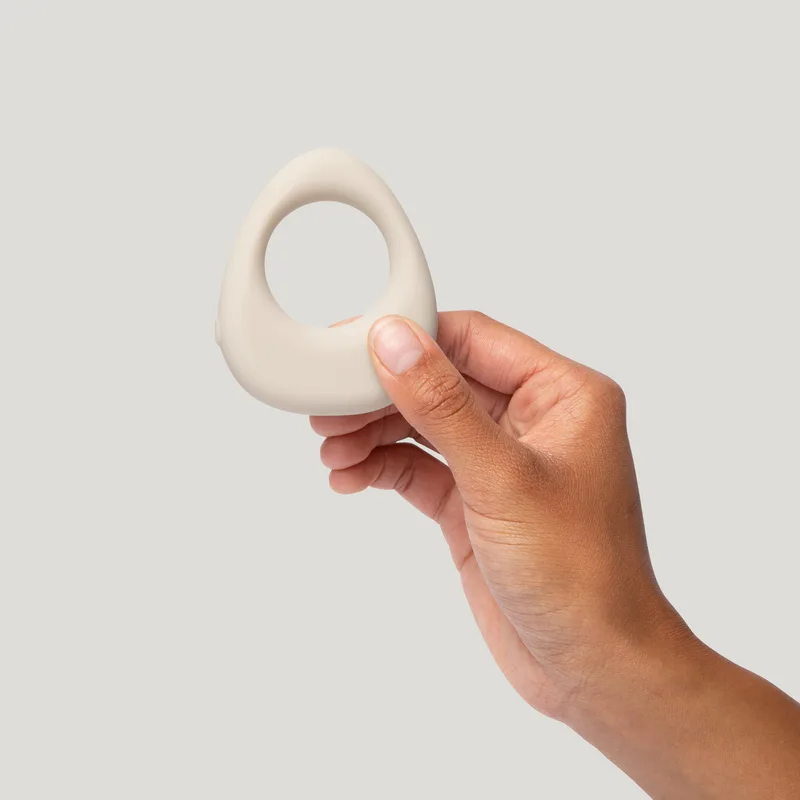
Use photos for identification
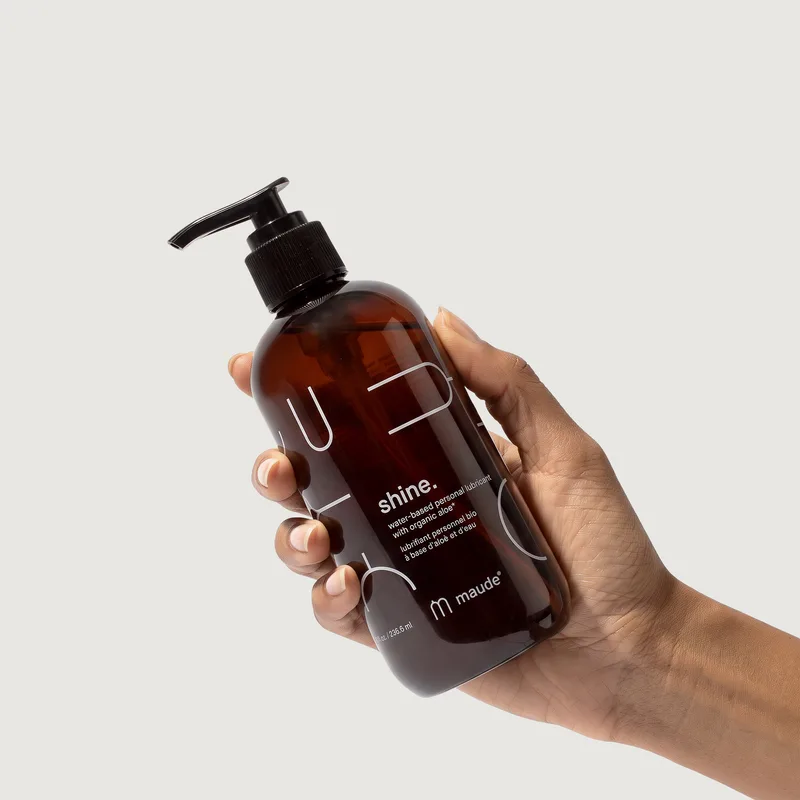
A clear packshot can help distinguish a model, package design or named colour. Compare the photo with the full product title and selected variant. A lifestyle image may show several items even when the listing sells just one, so the written contents list remains important.
Do not estimate specifications from perspective
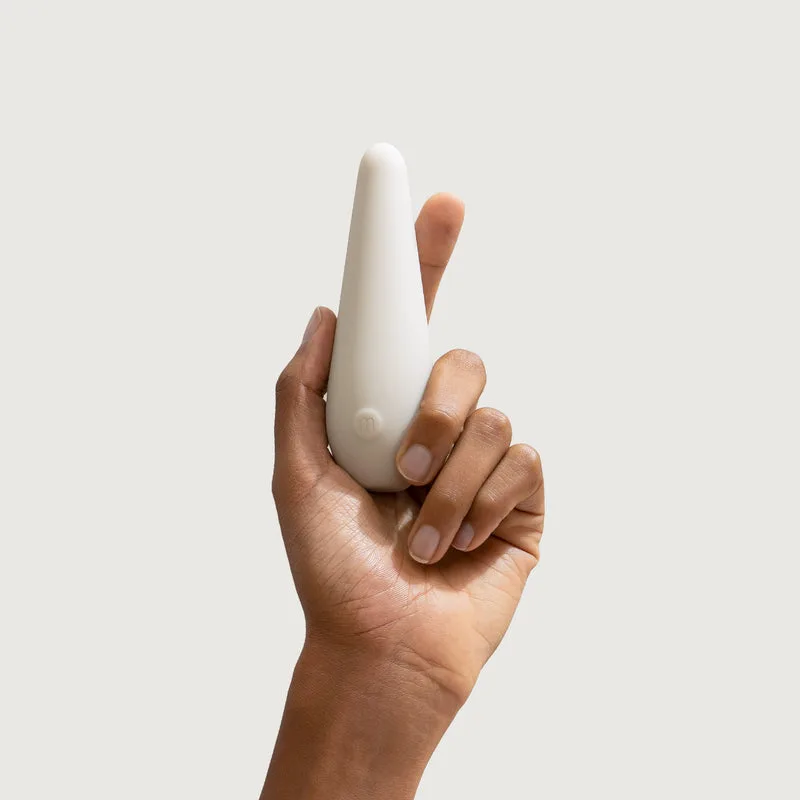
Camera angle and framing affect apparent size. A device pictured in a hand may offer a rough sense of scale but does not replace stated dimensions or weight. Likewise, a close-up surface finish cannot prove the underlying material or the validity of a certification.
Check the current packaging
Packaging can change between production runs or markets. Ask the supplier whether the pictured package corresponds to the item being quoted. For multi-unit orders, confirm whether individual retail boxes, instructions and charging accessories are included for every unit.
Connect images to documentary detail
A good inquiry combines visual identification with an exact SKU, variant and specification sheet. Where the written description and image disagree, ask for clarification before accepting a substitute. Photographs are a useful part of the product record, but they are not an independent performance test.
Research method
This is a desk-research editorial based on the named supplier catalog retrieved on 14 November 2026. It includes no hands-on testing, measured performance scores, medical verification or invented customer feedback. Source prices and product specifications can change; confirm the selected variant in your written quote.


Join the conversation
Contributions are reviewed before publication. Please keep the discussion respectful and non-graphic.